
Waking Up in the Jungles of Ubud, Bali — A Slow Travel Morning
🌿 Ubud: A Slower Side of Bali
Ubud is often associated with Bali’s lush landscapes, rice terraces, traditional culture, wellness experiences, and quieter surroundings. Located in the central part of Bali, the area offers a different atmosphere from the island’s busier coastal destinations.
The combination of tropical greenery, traditional architecture, art spaces, cafés, wellness centers, and surrounding villages makes Ubud a popular choice for travelers looking for a more relaxed Bali itinerary. Staying slightly away from the busiest streets can also provide a quieter environment while keeping major attractions within reasonable reach.
🏨 Choosing a Stay in Ubud
Accommodation can make a noticeable difference to the overall Ubud experience. Travelers can choose between centrally located hotels and guesthouses, or quieter properties surrounded by greenery and rice fields.
👉 Stay in Ubud:
Click Here to explore accommodation options.
A central location can be useful for travelers who want easier access to restaurants, cafés, shops, markets, and cultural attractions. Meanwhile, properties outside the busiest areas may appeal to visitors who prioritize a peaceful setting and closer contact with Ubud’s natural surroundings.
Rather than planning every hour of the trip, travelers can combine a few key attractions with time for local food, wellness activities, nature, and exploring the surrounding neighborhoods. This balance is one of the reasons Ubud remains an appealing destination for travelers seeking a slower-paced side of Bali.
🧘♀️ Day 1 — Doing Less, Feeling More
I didn’t follow any itinerary.
No “top 10 things to do.”
No rushing between locations.
Instead, I walked.
Through small roads. Past temples. Into cafés hidden between trees.
And slowly, I found myself in Sacred Monkey Forest.
It wasn’t just a tourist spot.
It felt like something older.
Ancient trees. Moss-covered paths. Monkeys moving freely.
But what stayed with me wasn’t the place.
It was the feeling.
I wasn’t trying to capture anything.
I was just… there.
☕ The Café That Made Me Stay Longer Than Planned
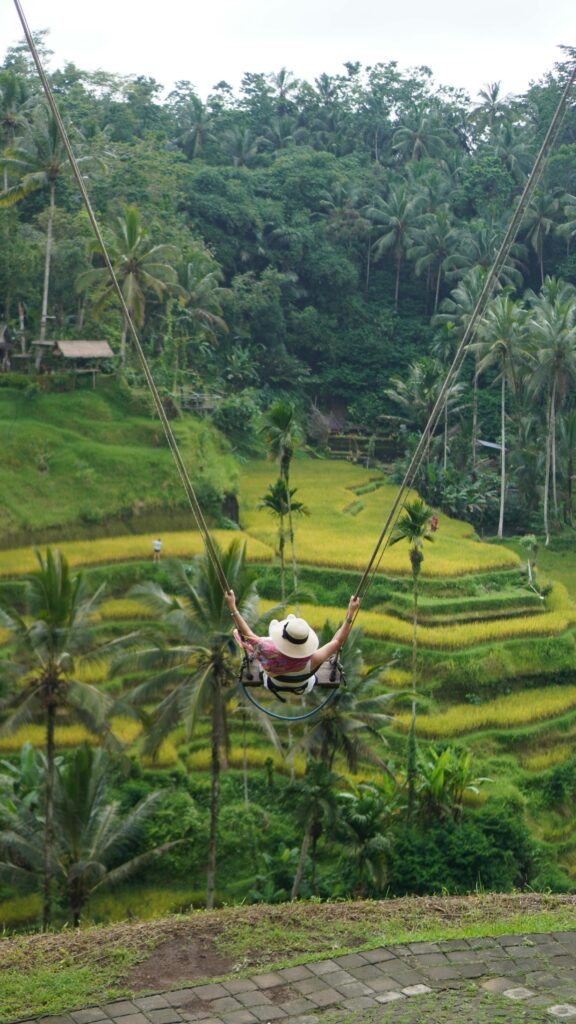
I found a small café overlooking rice terraces.
No loud music.
No crowd pushing for seats.
Just slow service… and even slower time.
I ordered coffee.
Then another.
And then just sat there.
Watching the green fields move with the wind.
🌅 Day 2 — The Spiritual Side You Don’t Expect
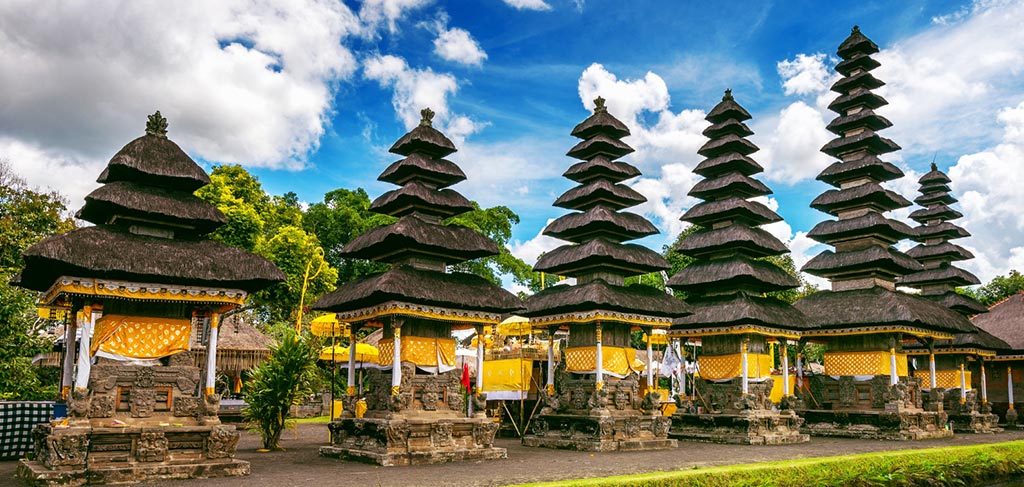
I didn’t plan to visit temples.
But Ubud has a way of pulling you into its rhythm.
I found myself sitting quietly inside a small temple.
No guide. No explanation.
Just incense in the air and a sense of calm I couldn’t describe.
And for the first time in a long time…
I wasn’t thinking about anything.
🌊 The Moment Everything Slowed Down
That evening, I walked through rice terraces again.
Golden light. Soft air. Silence.
And I realized something simple:
Nothing here is trying to rush you.
And slowly…
you stop rushing too.
🏨 Where I Stayed (And Why It Matters in Ubud)
Ubud is about where you wake up.
👉 Jungle stays near Ubud:
Click here to view this stay.
If you’re planning:
- Choose jungle view over city center
- Look for open balconies
- Avoid crowded main streets
👉 Explore more options:
- Click here to explore another option for you.
- Click here to explore another option for you.
🛡️ Ava’s Travel Insurance Pick
Travel insurance is worth having on every trip — from mountain climbs to long-distance travel. Reliable protection for medical emergencies, delays, and cancellations. 👉 Click here to get the Travel Insurance.
Getting to Ubud (Simple Reality)
✈️ Travel Route
- Fly to Denpasar
- 1.5-hour drive to Ubud
👉 Compare flights:
Click here to book your Flight.
| Type | Cost |
|---|---|
| Stay | $20–$150 |
| Food | $5–$20 |
| Transport | $10–$40 |
👉 Ubud can be affordable or luxurious—your choice.
⚠️ What I Got Wrong
1. Trying to Plan Too Much
Ubud doesn’t work like that.
2. Staying Too Close to the Center
It’s noisier than expected.
3. Not Giving Enough Time
You need at least 3–4 days.
💭 The Thought That Stayed With Me
Before coming here, I thought travel meant movement.
More places. More experiences.
But Ubud showed me something different.
Sometimes…
You don’t need more.
You just need to slow down enough to notice what’s already there.
✨ If You’re Planning to Go Alone
Don’t treat Ubud like a checklist.
Don’t rush temples.
Don’t chase spots.
Just wake up.
Walk.
Sit.
Observe.
And let the place do what it does best—
Slow you down.
Because not every journey is about discovering a place.
Some are about rediscovering yourself.
🧭 More Bali Guides
Ubud is just one side of Bali. If you’re building out a longer trip, here’s what else I covered:
— Ava