Driving Iceland’s Golden Circle Alone — What No One Warns You About
🚗 The Golden Circle Feels Different When You Leave Reykjavík
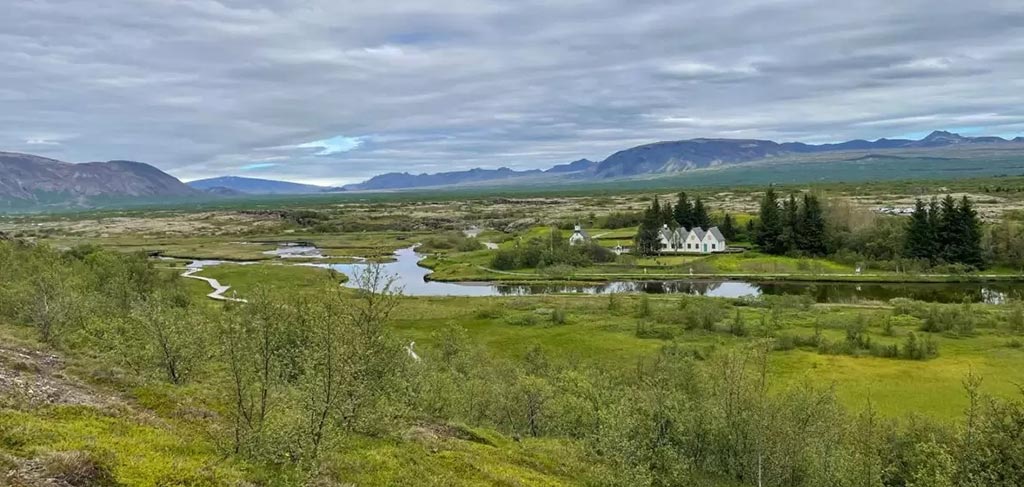
Iceland’s Golden Circle is one of the country’s most popular road-trip routes, but driving through it can feel very different from simply visiting its famous attractions on a guided tour. Once you leave Reykjavík and begin moving through Iceland’s open landscapes, the scenery quickly changes from urban surroundings to volcanic terrain, wide valleys, mountains, and geothermal areas.
The route is especially striking in the early morning, when low light, changing weather, and quiet roads can create a completely different atmosphere. In some areas, the smell of geothermal activity becomes noticeable before the landscape itself reveals what is producing it.
For solo travelers, however, the Golden Circle is not only about beautiful scenery. Road conditions, weather, daylight hours, fuel stops, and driving time all need to be considered before setting out. Icelandic weather can change quickly, and conditions may be very different from those in Reykjavík.
🌋 What You’ll Encounter Along the Route
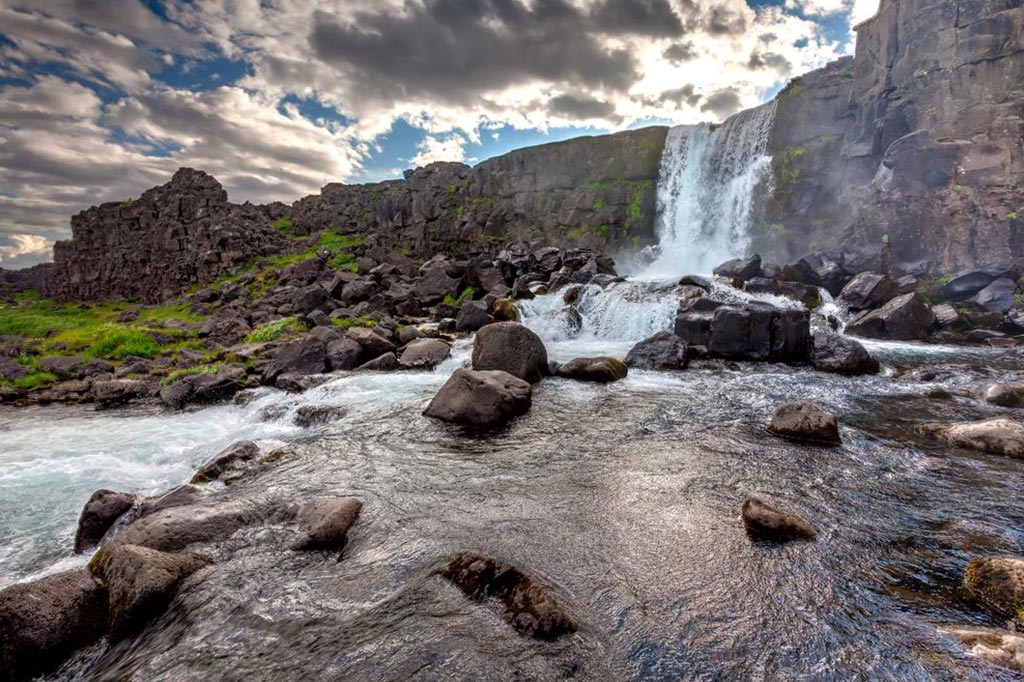
The classic Golden Circle generally includes three major attractions: Þingvellir National Park, the Geysir geothermal area, and Gullfoss waterfall. Each offers a different side of Iceland’s landscape, from geological formations and geothermal activity to powerful waterfalls.
Rather than rushing between every stop, allowing additional time for weather changes, photographs, short walks, and unexpected delays can make the road trip more comfortable.
🧭 Planning a Solo Golden Circle Road Trip
Before driving, check Iceland’s current road and weather conditions and make sure the rental vehicle is appropriate for the season and planned route. Travelers should also understand local driving rules and avoid assuming that roads will remain easy to drive simply because they were clear earlier in the day.
The Golden Circle can often be completed as a day trip from Reykjavík, but the amount of time required depends on the season, road conditions, stops, and pace of travel.
The biggest lesson for a solo road trip is simple: the destination is only part of the experience. In Iceland, the road itself—with its changing weather, enormous landscapes, geothermal activity, and long stretches of open countryside—is often what makes the journey memorable.
“Iceland doesn’t ease you in. It grabs you by the collar at the airport and says: this is what the planet looks like when no one has touched it yet.”
Quick Travel Snapshot
📍
Location
Southwest Iceland
💶
Budget Range
$180–$380 / day
📅
Best Time
June–Aug / Dec–Feb
⏳
Duration
1–3 Days
🚗
Getting Around
Rental Car Only
🧭
Route Distance
~300 km loop
The Golden Circle Route — Stop by Stop
Start > National Park > Geysir Hot Spring > Gullfoss Waterfall > Crater > Return
Reykjavík at Midnight — The Beginning of Something Enormous
I landed at Keflavík International Airport at 11:40 PM on a Thursday in late June. Outside the terminal, it was still not fully dark — that famous Icelandic midnight sun painting everything in a low, golden, impossible light that made the lava fields look like they were glowing from within. I stood on the pavement with my 25-litre pack and laughed out loud at the absurdity of it all.
I’d booked a guesthouse in Reykjavík for two nights — one before the drive, one after — using Booking.com, and I specifically chose it for the free parking and the owner who’d emailed me a hand-written route recommendation when I asked about the Golden Circle. That’s the kind of detail that makes a solo trip.
Guesthouse — Reykjavík City Centre
Choose rates with flexible cancellation where possible. Look for guesthouses with free parking — you’ll pick up your rental car nearby and save on fees. Many include Icelandic breakfast (skyr, rye bread, smoked salmon). Worth every króna.Click here to book your stay
Stop 1 — Þingvellir: Standing Between Two Continents
Where the Earth Pulls Apart
I left Reykjavík at 6:30 AM — later than planned because I couldn’t stop staring at the sunrise from my guesthouse window. The drive to Þingvellir (pronounced, approximately, “thing-vet-leer”) takes about 45 minutes on Route 36, and the road opens up into this vast, flat plateau that feels like someone removed the ceiling from the world.
Þingvellir is where the North American and Eurasian tectonic plates meet — and visibly pull apart by about 2cm a year. You can walk the rift valley between them. I stood at the bottom of Almannagjá gorge with a wall of ancient rock on either side, knowing that one wall belongs to one continent and the other to another, and felt the specific vertigo of understanding your own smallness. It’s not fear exactly. It’s more like awe wearing fear’s coat.
The Silfra fissure — where you can snorkel between the plates in water so clear it has zero visibility issues at 100 metres — was on my list but not in my budget this trip. I’m going back for that. I’m already planning it.
Ava’s Tip: Arrive at Þingvellir before 8 AM. The car park fills fast in summer and the rift walk is best experienced in total silence — no tour groups, no noise. Just the wind and the geological improbability of the whole thing.
Stop 2 — Geysir Hot Spring Area: The Earth Exhales
Strokkur Goes Off Every 6–8 Minutes. I Watched It Seven Times.
There is a specific crowd psychology at a geyser. Everyone clusters around Strokkur — the active one — phones raised, waiting. The water in the pool turns that impossible turquoise, then bulges upward like something living beneath is pressing up, and then — BOOM — a column of boiling water and steam launches 30 metres into the air and the entire crowd gasps in unison. Every single time. Even the seventh time, I gasped.
What got me wasn’t the eruption itself. It was the silence immediately after. Steam drifting sideways. The smell of sulphur. And then the crowd’s collective exhale, which sounded — I am not being dramatic — exactly like the geyser’s own breath returning to stillness.
The area is free to enter. There’s a visitor centre, restaurant, and gift shop. I ate a bowl of lamb soup that cost the equivalent of $22 and was the best thing I’d eaten in two days. Iceland is expensive. Eat the soup anyway.
“Strokkur doesn’t care that you’ve been waiting. It erupts on its own schedule, in its own time. There’s something deeply instructive about that.”
Stop 3 — Gullfoss: The Waterfall That Made Me Sit Down on the Ground
I’ve seen waterfalls before. Niagara. Iguazú. Victoria Falls from a microlight plane. None of them prepared me for Gullfoss at close range in the rain.
Gullfoss — “Golden Falls” — drops in two tiers into a canyon that seems to go nowhere, the water just disappearing into the earth’s own throat. The volume is staggering. The noise arrives before the waterfall does — this low, constant roar that you feel in your sternum. And then you round the path and the mist hits you and you’re soaked within thirty seconds and you genuinely don’t care.
I sat on a wet rock at the lower viewing platform for maybe twenty minutes. I didn’t take any photos. I just sat there letting Iceland happen to me. That’s the version of the memory I want to keep — not the one on my phone.
Stop 4 — Kerið Crater: The Hidden Gem Nobody Talks About Enough
Kerið is a volcanic crater lake, roughly 3,000 years old, with walls of blood-red volcanic rock descending steeply to a lake of the most surreal aquamarine. It costs about $4 to enter — the only paid stop on the Golden Circle — and almost every tour group skips it or rushes through.
I arrived at 4 PM to near-empty paths. I walked the full rim (about 15 minutes), then descended the steep trail to the lake edge, sat on the red rock, and ate the gas-station chocolate bar I’d been rationing since Reykjavík. The reflection of the crater walls in the water was so still and so perfect it looked digitally altered. It wasn’t. Iceland just looks like that.
What Solo Travel Gave Me on This Road
The Freedom to Be Moved Without Explanation
There was a moment on the drive between Geysir and Gullfoss — a long, empty stretch of road through a landscape that looked like Mars if Mars had grass — where I pulled over, turned the engine off, and just sat in the silence. No cars. No people. Wind against glass. Sky the colour of pewter and silver. I needed no one’s permission to stop. I didn’t need to explain why it mattered. That’s the gift of solo travel that no one can take from you.
The Strangers Who Become One-Day Friends
At Þingvellir I met a Finnish woman named Aino who was also driving the loop alone. We walked the rift valley together for an hour, talking about everything and nothing — her divorce, my career change, why neither of us could quite explain why we’d come to Iceland alone, only that we’d both known we had to. We parted ways at the car park. I don’t have her number. I have the memory exactly as it was.
The Unexpected Moments That Become the Whole Story
A raven landed on the bonnet of my rental car at Kerið and stared at me for a full thirty seconds. Ravens in Norse mythology are Odin’s messengers. I’m not superstitious. But I whispered “hello” and it tilted its head and flew away, and I drove the rest of the route back to Reykjavík feeling, inexplicably, like I’d been seen.
Practical Guide — Everything You Need to Drive the Golden Circle Solo
How to get there
- Fly into Keflavík International Airport (KEF) — 45 min from Reykjavík by bus or shuttle
- Flybus and Airport Direct both run transfers to Reykjavík city (~$25 each way)
- Rent a car in Reykjavík — a small 2WD is sufficient for summer; 4WD recommended for winter
- The full Golden Circle loop is ~300 km and takes 8–12 hours with stops
- No public transport covers the full route — a rental car is the only real option
Rental Car — Reykjavík
I booked through Rentalcars.com — compare all local suppliers in one search. Book with full insurance and check the excess carefully. Icelandic gravel roads can chip windscreens and the standard excess without cover is brutal.[Insert Rentalcars.com / Car Rental Affiliate Link]
Budget breakdown (USD)
| Expense | Budget | Mid-Range |
|---|---|---|
| Flights to Reykjavík (return) | $350 | $650 |
| Rental car (per day, incl. insurance) | $85 | $140 |
| Accommodation — Reykjavík (per night) | $55 (hostel) | $130 (guesthouse) |
| Fuel for full loop | $35 | $35 |
| Kerið crater entry | $4 | $4 |
| Food (gas station + one sit-down) | $40 | $80 |
| Activities (optional snorkelling etc.) | $0 | $120 |
| Total (1-day loop, 2 nights) | ~$570 | ~$1,160 |
Where to stay
Budget Hostel — Reykjavík
KEX Hostel and Hlemmur Square are both brilliant solo-traveller spots in central Reykjavík. Lively common areas, great for meeting other road-trippers. Hostel booking sites let you filter listings — sorted by solo-traveller rating.Click here to book your Hotel
Hotel — Reykjavík Boutique Stay
For a mid-range splurge, Reykjavík has some genuinely special boutique hotels in the old town. Sandhotel and Center Hotels are both excellent. Booking sites with loyalty programmes can add value on longer trips.Click here to book your hotel.
Best spots to visit solo on the loop
- Þingvellir at dawn — the rift walk alone before tour groups arrive is a spiritual experience
- Strokkur from the back viewing angle — less crowd, better spray, same eruption
- Gullfoss lower path — get as close as the barrier allows and let it soak you completely
- Kerið crater rim at golden hour — the red rock and aquamarine lake in low light is unreal
- Secret Lagoon (Flúðir) — a less-commercialised hot spring 20 min off-route, perfect for solo swimmers
Safety tips for solo travellers
- Register your route at safetravel.is — Iceland’s official traveller safety registry, free and takes 2 minutes
- Download the 112 Iceland app — sends your GPS to emergency services with one button
- Never turn off the main road onto an F-road without a 4WD and proper preparation
- Weather changes in 20 minutes — always have full waterproofs and an extra layer in the car
- Petrol stations are 50–80 km apart outside Reykjavík — fill up at every opportunity
- If you see aurora — pull over safely, engine off, headlights off, wait 10 minutes for your eyes to adjust
What Went Wrong — And What I’d Do Differently
Mistake 01
I underestimated driving time between stops. Google Maps in Iceland lies — the speed limits are 90 km/h on highways but 60 on the scenic roads near each attraction. My 8-hour plan took 11. Start earlier than you think.
Mistake 02
I didn’t book the Secret Lagoon in advance. It sold out. I sat in my rental car eating a gas-station hot dog instead of floating in a geothermal pool. Book everything before you go. Click here to book your travel
Mistake 03
I wore cotton base layers. Cotton in Icelandic wet weather is genuinely dangerous — it holds moisture against your skin. Merino wool or synthetic only. This is not a style tip. It’s a safety one.
Lesson Learned
Over-plan the logistics, under-plan the experience. Know your route, book your beds, fill your tank. Then put the phone down and let Iceland show you what it wants to show you. It will always surprise you more than your itinerary would have.
“I drove 300 kilometres in a country that barely has roads,
past geysers and glaciers and rifts in the earth’s own skin,
entirely alone — and I have never felt less lonely in my life.
That is what solo travel does, if you let it.
It doesn’t fill the silence. It teaches you to love it.”
The Golden Circle is only 300 km. But it will take you somewhere much further than that.
Wind-burned and wide-eyed, Ava 🧊
Ready to Drive the Golden Circle? Start Here.
Best flights to Reykjavík
Compare all airlines — Icelandair, Play, easyJet, and more — in one search.Click here to book your Flight.
Rental car — Reykjavík pickup
Compare all local suppliers with full insurance. Book early — cars sell out in summer.[Insert Car Rental Affiliate Link]
Hotels & guesthouses near the route
From city hostels to farmhouse stays — all with free cancellation options.Click here to book your stay.
🧭 More Iceland Guides
The Golden Circle is just one route. A few more Iceland guides if you’re planning a longer trip:
— Ava