48 Hours Alone in Tokyo — Japan’s Fastest City Through a Solo Traveler’s Eyes
Tokyo: A City That Never Waits
🗼 Where Everything Moves at Its Own Pace
Tokyo is a city built around movement. From the moment travelers leave the airport, the scale of the city becomes apparent through its extensive railway network, busy streets, dense neighborhoods, and constant flow of people.
For first-time visitors, the transition can feel intense. Tokyo combines an enormous metropolitan environment with a transportation system known for its organization and efficiency. Understanding how the trains, stations, and different neighborhoods connect can make the first few hours much easier.
👉 Flight Booking:
Click Here to check current flight prices.
🚆 Hour 1 to 6 — Getting Into the Rhythm
Traveling from the airport toward central Tokyo provides an early introduction to the city’s scale. Depending on the airport and destination, travelers have several railway and airport-transfer options for reaching different parts of the city.
For first-time visitors, it is useful to identify the nearest station to the accommodation before leaving the airport and keep the address available in Japanese as well as English.
Tokyo’s railway system can initially seem complicated because multiple operators and lines serve different parts of the metropolitan area. However, once travelers understand their main route and transfer points, public transportation becomes one of the most practical ways to explore the city.
Night 1 — Where Tokyo Shows Its Real Face
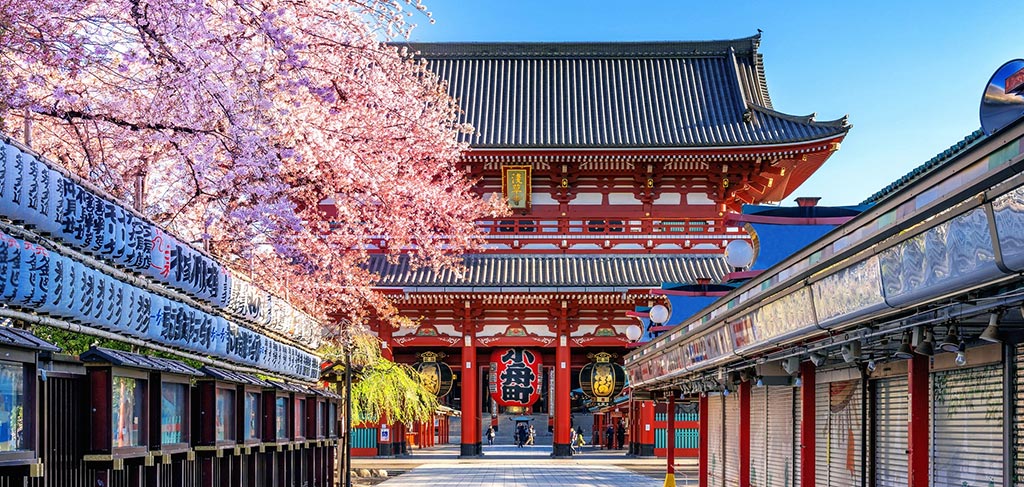
By night, I found myself in Shinjuku.
And this is where Tokyo stopped being a city…
and started feeling like an experience.
Tiny alleys. Neon signs. Doors leading to places you can’t understand from outside.
I walked into a small bar.
No expectations.
No plan.
Sat down.
Ordered something random.
And just watched.
No one questioned why I was alone.
No one made it awkward.
And eventually…
someone started a conversation.
One thing I learned while traveling — experiences sell out fast 👇
🎟️ Click here to check available tours in Tokyo
I always book in advance to avoid last-minute disappointment.
Day 2 — Finding Stillness Inside Speed
I woke up expecting the same intensity.
But Tokyo surprised me.
At Meiji Shrine, everything changed.
Tall trees blocked the city.
Gravel under my feet slowed my pace.
And suddenly…
Tokyo felt quiet.
Same city.
Different layer.
Midday — When You Stop Trying to “See Everything”
I stopped checking maps.
Stopped planning.
Just walked through Harajuku.
Bright colors. Creative fashion. Small cafés.
But this time, I wasn’t observing.
I was just… existing.
Sat in a café.
Watched people pass by.
Did nothing.
And somehow, that felt like the most important part of the trip.
Where I Stayed (And Why Location Matters More Than Luxury)
Tokyo isn’t about big hotel rooms.
It’s about where you are.
👉 Compare central Tokyo stays:
👉 Click here to book your stay
If you’re going solo, prioritize:
- Near metro stations
- Shinjuku / Shibuya areas
- Walkability
👉 Explore more stays:
👉 Click here to book your stay
👉 Click here to book your stay
What Tokyo Really Is (Not What Social Media Shows)
Tokyo isn’t just:
- Neon lights
- Busy streets
- Nightlife
It’s also:
- Silent trains
- Respectful distance
- Personal space in crowds
You’re alone.
But you don’t feel lonely.
⚠️ What Caught Me Off Guard
1. It’s Easy to Feel Overstimulated
Take breaks.
2. The Metro System is Complex (At First)
But incredibly efficient.
3. Time Moves Fast Here
You don’t notice hours passing.
💭 The Moment It All Made Sense
On my last night, I stood above the city.
Lights stretching endlessly.
Movement everywhere.
But inside…
I felt calm.
And I realized:
Tokyo doesn’t slow down.
You just learn how to exist inside its speed.
✨ If You’re Planning to Go Alone
Don’t overplan Tokyo.
Don’t try to control it.
Go there.
Get lost.
Walk without direction.
Sit in random places.
And let the city show you how to move.
More Japan Guides
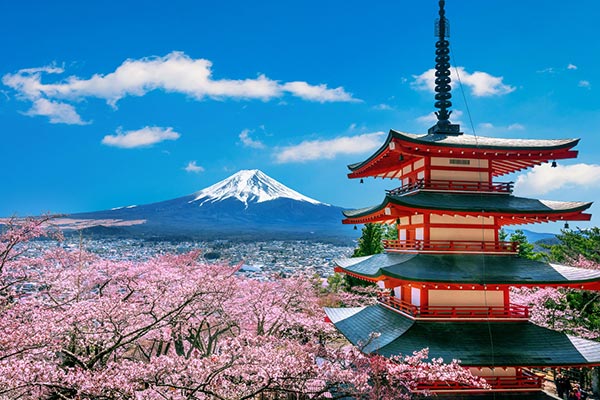
If Tokyo leaves you craving mountains after all that neon, climbing Mount Fuji for sunrise is an easy add-on — it’s a day trip away by train and about as far from Shibuya Crossing as Japan gets.
— Ava