3 Days Alone on Socotra Island — Where Earth Starts to Look Like Another Planet
Socotra Island: A Landscape That Feels Like Another World
🌿 Where Nature Looks Almost Otherworldly
Socotra Island, part of the Socotra Archipelago in Yemen, is known for an extraordinary concentration of plant and animal species found nowhere else. UNESCO describes the archipelago as globally important for biodiversity, with a large proportion of endemic species.
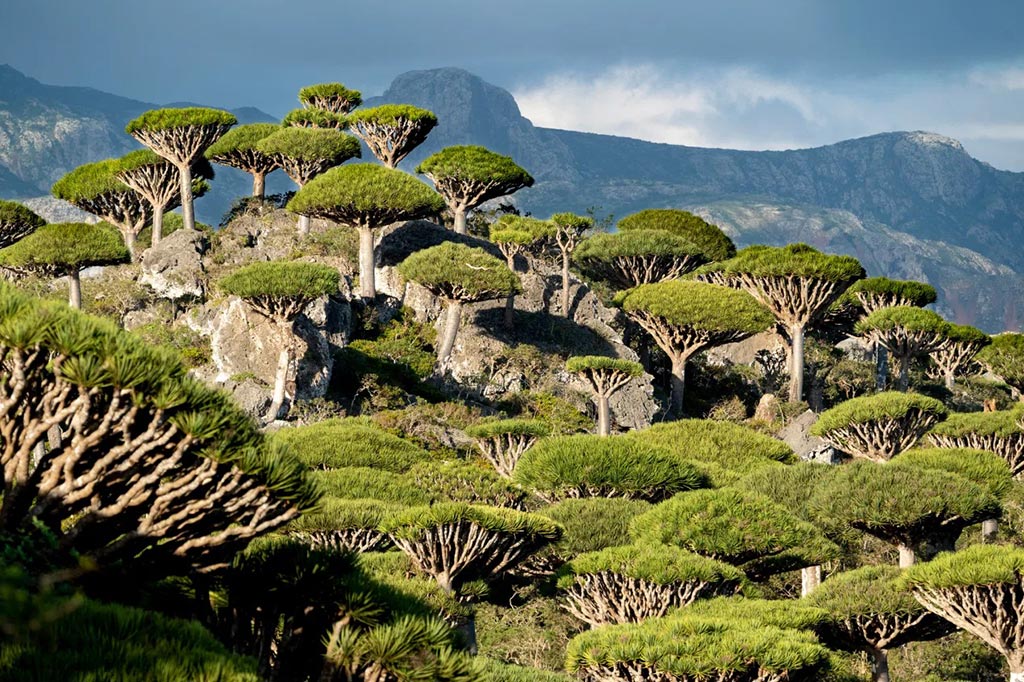
Among its most recognizable natural features are the distinctive dragon’s blood trees, whose unusual umbrella-like forms have become closely associated with Socotra. These trees are also considered vulnerable, making conservation an important part of understanding the island’s environment.
The landscape combines unusual vegetation, rugged mountains, white-sand beaches, rocky terrain, lagoons, and clear coastal waters. This combination gives Socotra a visual character very different from that of a conventional tropical island destination.
🌍 Quick Travel Snapshot
- Location: Socotra Archipelago, Yemen, in the northwest Indian Ocean
- UNESCO status: World Heritage Site, inscribed in 2008
- Known for: Dragon’s blood trees, endemic biodiversity, mountains, beaches, lagoons, and coastal ecosystems
- Travel planning: Conditions, transport, entry requirements, and local access can change, so current official information should be checked before making plans
- Safety: The U.S. State Department currently advises Do Not Travel to Yemen, including Socotra.
Before You Go: The Real Safety Situation on Socotra
I want to be straightforward about something most travel blogs about Socotra gloss over.
Socotra is politically part of Yemen, a country that has been through years of civil war and remains one of the world’s most complicated conflict zones. As of this writing, the U.S. State Department rates the entire country — Socotra included, with no carve-out — as a Level 4: Do Not Travel advisory, its most serious warning level. The advisory specifically warns of terrorism, civil unrest, kidnapping, armed conflict, and landmines, and states plainly that the U.S. government has no consular presence in Yemen and very limited ability to help its citizens if something goes wrong there, including on Socotra.
At the same time, Socotra’s on-the-ground reality is genuinely different from mainland Yemen’s. The island is geographically remote from the mainland fighting, is administered separately (largely under the Southern Transitional Council rather than the internationally recognized government, though the political situation there has continued to shift), and does receive a steady trickle of tourists each year through specialist tour operators running charter flights from the UAE. Several other governments’ advisories, and most tour operators who run trips there, describe the island itself as calmer than the mainland — but “calmer than a war zone” is not the same as “safe” in the way most vacation destinations are safe, and the situation can change without much warning.
What this means practically:
- Check the current advisory yourself before booking anything. Look up your own country’s official travel advisory for Yemen (not just a tour operator’s website) in the weeks before you plan to travel — conditions and flight availability change quickly.
- Travel with an established specialist operator, not independently. Almost nobody visits Socotra as a fully independent traveler. Reputable operators handle the visa/permission paperwork, charter flights, local guides, and in-country logistics, and they track the security situation closely because their business depends on it.
- Understand that if something goes wrong, help is limited. There is no meaningful consular support on the island for most nationalities, medical facilities are basic, and evacuation options are not what you’d expect on a typical island holiday.
- Travel insurance needs a specific check. Many standard travel insurance policies exclude countries under a “Do Not Travel” advisory, or void coverage entirely for travel there. Confirm this explicitly with your insurer before you go — don’t assume you’re covered.
I’m not writing this to talk anyone out of an experience that clearly moved me. I’m writing it because a travel guide that skips this isn’t giving you the full picture, and Socotra is not a destination where you want to find out the hard way that the advisory situation was more serious than the pretty photos suggested. Go in informed, go with a serious operator, and check current conditions right up until departure.
My Solo Journey in Socotra (Where Nothing Felt Familiar)
Arrival — The Silence Was Immediate
I arrived via a charter flight arranged through my tour operator — not a scheduled commercial route, since Socotra doesn’t have one in any normal sense. 👉 I found my flight and permissions handled together here:
[Insert Flight Booking Link]
Small airport, minimal infrastructure, no chaos — just a quiet arrival that felt almost surreal. And as I stepped outside, the silence hit me first. Not peaceful silence. Deep, untouched silence.
First Sight — The Trees That Don’t Belong Here
Driving through Socotra feels like entering another planet. And then I saw them — the famous dragon’s blood trees, umbrella-shaped, standing alone against the sky. Not something you expect to see anywhere on Earth. I stopped the car and just stared. No explanation needed. Just something completely different.
Beaches That Feel Untouched
Socotra’s beaches are unlike anything I’ve seen. No resorts, no music, no crowds — just endless white sand and water so clear it almost feels artificial. I walked along the shoreline for what felt like hours, with no footprints except mine, and for a moment it felt like the entire place existed just for me.
Nights Under a Sky That Doesn’t Exist in Cities
That night, I lay under the open sky. No buildings, no light pollution — just stars, thousands of them. We don’t see the sky like this anymore. Maybe we’re not supposed to forget it.
💛 What I Loved About Solo Travel in Socotra
- Complete disconnection from modern life
- Landscapes that feel unreal
- No tourist crowds — even by remote-destination standards
- True silence
This isn’t a destination for comfort. It’s a destination for perspective — and, as covered above, one that asks for real preparation before it asks for admiration.
Where to Stay in Socotra (Hostel + Hotel + Airbnb)
Accommodation here is different from a typical island destination — there are no resort chains, and most stays are arranged as part of your tour package rather than booked separately.
Camps & Basic Stays
👉 Explore options here:
[Insert Hostelworld Affiliate Link]
Best for:
- Authentic experience
- Budget travelers
- Adventure seekers
Guided Stay Packages
👉 I booked my stay here because it included transport + food + guide:
[Insert Booking.com Affiliate Link]
Most travelers choose this option, since it bundles the logistics that are genuinely difficult to arrange independently on Socotra.
Airbnb (Very Limited Options)
👉 Check availability:
[Insert Airbnb Affiliate Link]
Good for:
- Private stays
- Small groups
🧭 Practical Travel Guide (Solo Travel Socotra)
How to Reach Socotra Island
- There is no regular commercial airline route to Socotra. Access is almost always via seasonal charter flights, typically routed through the UAE (Abu Dhabi or Sharjah), and organized by a specialist tour operator as part of a package.
- Flights and access are seasonal and weather-dependent — they largely stop during the monsoon months (roughly May–September), when the island can become cut off entirely.
- Visa and entry permissions for Socotra are typically arranged by your tour operator, not independently at a border — factor in several weeks of lead time before your trip.
- Because access is limited and seasonal, plan and book well ahead of your travel dates.
👉 Find flight-and-permit packages here:
[Insert Flight Booking Link]
| Category | Cost |
|---|---|
| Stay | $30–$150 |
| Food | $10–$30 |
| Transport | $30–$80 |
| Tours | $50–$150 |
These figures are per day and assume a guided-package trip, which is how most visitors experience Socotra. Independent, unguided travel is uncommon and not generally recommended given the terrain, language, and security considerations.
Best Places to Visit
- Dixam Plateau — dense dragon’s blood tree forest and dramatic viewpoints
- Detwah Lagoon — turquoise shallow lagoon near Qalansiyah, one of the island’s calmest spots
- Arher Beach — towering sand dunes meeting the sea, pictured below
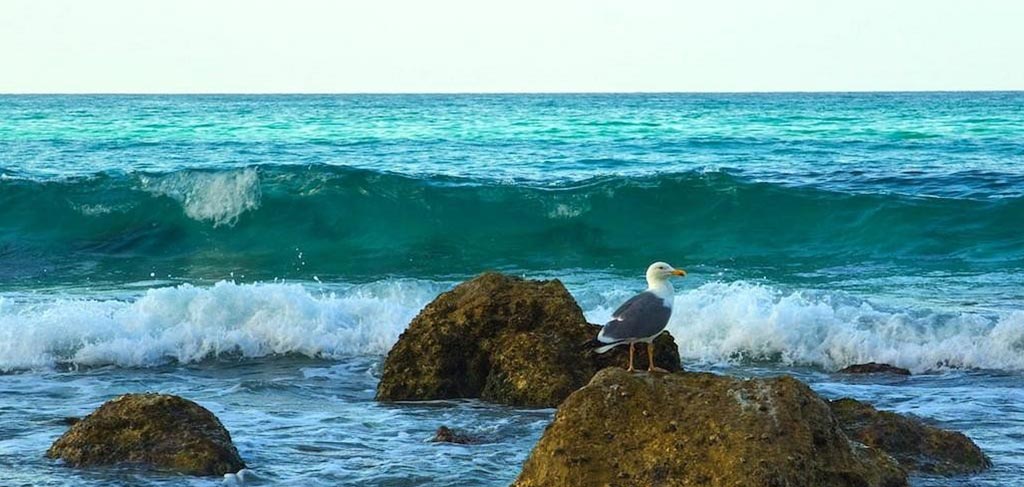
Each one feels like a different planet.
Safety Tips
- Check your government’s current travel advisory for Yemen/Socotra before booking and again shortly before departure — do not rely on outdated information.
- Travel with an established, experienced local guide or operator at all times — this is not a destination for independent improvisation.
- Medical facilities on the island are very limited; bring a well-stocked first-aid kit and any personal medication you need, and confirm your travel insurance actually covers travel to Yemen.
- Carry cash — there is no reliable ATM or card payment infrastructure on the island.
- Internet and mobile signal are minimal to nonexistent outside the main town; tell someone your itinerary before you lose contact.
- Dress conservatively out of respect for local customs — Socotra is a conservative, traditional community.
Travel Essentials
- Flights → [Insert Flight Booking Link]
- Hotels → [Insert Hotel Booking Link]
- Hostels → [Insert Hostel Link]
- Airbnb → [Insert Airbnb Link]
- Travel Insurance (confirm Yemen/Socotra coverage explicitly) → [Insert Link]
Mistakes to Avoid
1. Skipping the Safety Homework
Don’t rely on a single blog post — including this one — for your safety decision. Check your own government’s current advisory close to your travel date, and talk directly to your tour operator about the current situation.
2. Expecting Comfort
This isn’t a luxury destination. Facilities are basic by design and by necessity.
3. Overpacking
You don’t need much here — but do bring cash, medication, and a proper first-aid kit, since none of these are easy to source locally.
4. Not Preparing Mentally
This place is different, and it asks more of you than a typical beach holiday. You need to be ready for that — logistically and mentally.
FAQ: Traveling to Socotra Island
Is it safe to travel to Socotra right now?
Socotra is part of Yemen, which is under a Level 4 “Do Not Travel” advisory from the U.S. State Department and similarly serious warnings from other governments, due to the broader conflict, limited consular support, and unpredictable conditions. The island itself is generally described as calmer than the mainland by tour operators who run trips there, but this is still a genuinely higher-risk destination than a typical vacation spot. Check current official advisories yourself before deciding, and only travel with an experienced specialist operator.
Do I need a visa to visit Socotra?
Yes. Entry permissions are almost always arranged by your tour operator as part of a package, not obtained independently at a border. Start the process well in advance of your travel dates.
When is the best time to visit?
October through April. Outside this window, monsoon winds regularly disrupt or cancel the charter flights and boats that connect Socotra to the outside world.
Can I travel to Socotra independently, without a tour operator?
It’s technically possible but strongly discouraged. Flights, entry permissions, guides, and in-country logistics are all easiest — and safest — to arrange through a specialist operator who works in the region regularly and can speak to current conditions.
💭 What Socotra Changed in Me
I didn’t come here looking for anything. But Socotra stripped everything away. No distractions, no noise — just you and nature. And in that simplicity, you start seeing things clearly.
✨ Final Thoughts
If you’re thinking about solo travel, don’t always choose what’s comfortable — choose something that feels unfamiliar. Socotra is one of the most extraordinary places I’ve experienced, and I also don’t think it’s a destination to book on impulse. Do the safety homework, travel with people who know the region well, and go in with clear eyes about what you’re taking on. If you do, it’s a place that doesn’t feel real.
More Remote & Off-the-Beaten-Path Guides
- Mechuka Valley, Arunachal Pradesh — India’s hidden frontier valley
- Tawang, Arunachal Pradesh — a remote Himalayan valley near the Tibet border
- Ziro Valley — solo travel in Northeast India’s Apatani homeland
- Majuli Island — the world’s largest river island
— Ava