Majuli Island, Assam — The Mystical River Island Most Travelers Miss
Majuli, the World’s Largest River Island
🌿 An Island Where the River Sets the Pace
Majuli lies in the Brahmaputra River in Assam, near Jorhat, and offers a very different kind of travel experience from India’s busier tourist destinations. Reaching the island involves crossing the Brahmaputra by ferry, making the journey itself an important part of the experience.
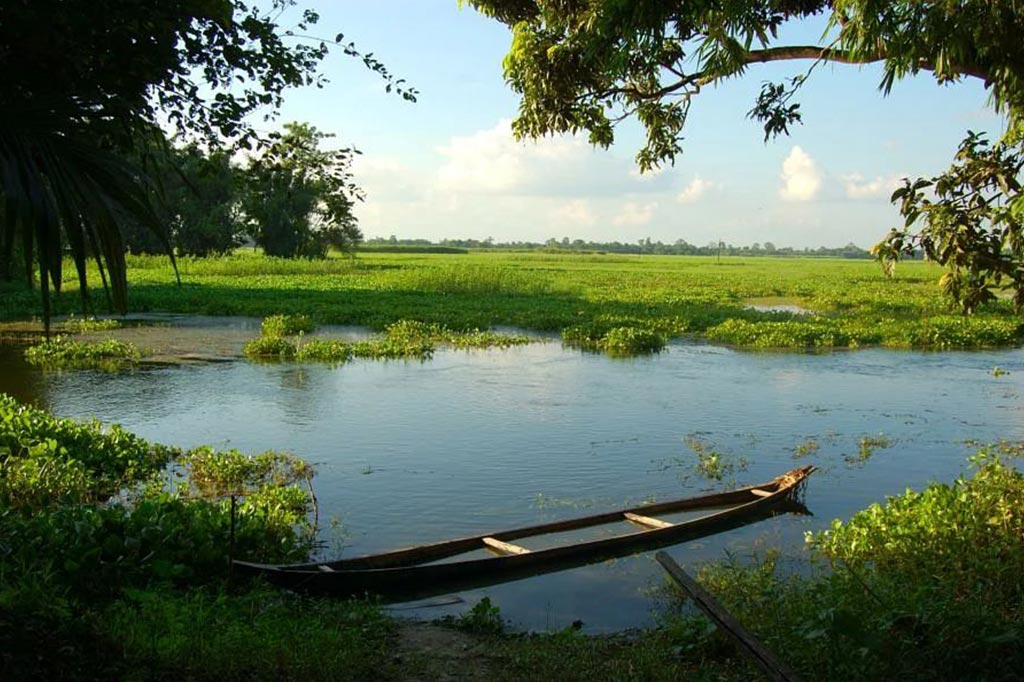
As the ferry moves away from the mainland, the surroundings gradually become quieter, with open water, green landscapes, and rural settlements replacing the busier atmosphere of Jorhat. Majuli is particularly known for its Satras, traditional Vaishnavite monasteries that have played an important role in the cultural and religious history of Assam.
The island is also associated with traditional crafts and village life. Visitors can discover mask-making, pottery, handloom traditions, and other forms of local craftsmanship, often in communities where these practices remain part of everyday life rather than existing only as tourist attractions.
Majuli is not necessarily a destination for checking off a long list of sightseeing spots. Its appeal comes from experiencing a slower pace, exploring villages, learning about Assamese culture, and spending time around the island’s natural surroundings.
🗺️ Quick Travel Snapshot
- Location: Majuli, Assam, India, in the Brahmaputra River near Jorhat
- Main attraction: Satras, villages, traditional crafts, local culture, and river landscapes
- Getting there: Travelers generally reach Majuli by road or rail to the Jorhat area and then continue by ferry
- Ideal duration: Around 2–3 days for a relaxed introduction to the island
- Best travel period: The cooler and drier months are generally more comfortable for exploring the island
🚢 Plan Your Visit
Because ferry services and river conditions can affect travel plans, it is useful to check the latest ferry schedules and local conditions before starting the journey. Travelers should also allow some flexibility rather than planning every part of the trip around exact timings.
For those looking beyond conventional sightseeing, Majuli offers an opportunity to experience a quieter side of Assam—one shaped by the Brahmaputra, village communities, traditional art, and centuries of cultural heritage.
The island’s character is not about rushing from one attraction to another. Instead, Majuli rewards travelers who leave room for slower mornings, local conversations, village exploration, and the simple experience of being surrounded by the river.
How to Reach Majuli
The route is: fly or take the train to Jorhat, then a short road trip to the ferry ghat, then a ferry crossing to the island.
The nearest airport is Jorhat (JRH), with regular flights from Guwahati and Kolkata.
[Insert Flight Booking Link]
From Jorhat town, it’s about 14 km to Nimati Ghat, the main ferry point — shared autos and tempos run from the ASTC bus stand for roughly ₹40–60 per person, or a private taxi for ₹500–700. Ro-Pax ferries typically run daily between around 7:00 AM and 3:30 PM at regular intervals (departures roughly every 1.5–2 hours), with the crossing itself taking 50–90 minutes depending on river conditions. Passenger tickets are inexpensive — typically ₹15–30 — and vehicles can be carried across for a separate fee. Ferry schedules shift seasonally and can be delayed by fog in winter or high water in the monsoon, so it’s worth checking the current timetable close to your travel date (the Assam government’s inland water transport site publishes updated schedules) rather than relying on any fixed timing found online, including this one.
Getting around once you’re there
Majuli is flat and spread out, so you’ll want your own wheels rather than walking between villages. Shared Sumos meet the ferry at Kamalabari or Aphalamukh ghat and run to Garamur, the island’s small administrative hub. From there, bicycles rent for around ₹150–250 a day and scooters for ₹500–700 — either is enough to cover the main Satras and craft villages at an easy pace.
What There Is to See
The Satras — living monasteries, not museums
Majuli is the historic center of Assam’s Vaishnavite Satra tradition — monasteries founded from the 15th century onward that are still active today, not preserved as relics. Kamalabari Satra is one of the most visited and known for its classical dance and music traditions; Auniati Satra holds a museum of Ahom-era artifacts and royal utensils; Samaguri Satra is known for its mask-making craft, where monks and villagers hand-make the elaborate masks used in traditional Bhaona theatre performances. None of these are set up as tourist attractions — you’re visiting a working religious and cultural institution, so modest dress and quiet observation are expected, and it’s worth asking before photographing people or rituals.
Craft villages
Beyond the Satras, Majuli’s villages are known for pottery made without a wheel (using local clay and a distinctive beating technique, mostly in Salmora village) and handloom weaving. These aren’t performances for visitors — they’re how people here make a living — so buying directly from a craftsperson is a better way to support the island than any souvenir shop.
The river and the birdlife
Majuli sits inside a wetland ecosystem that draws migratory birds in winter, and the river itself is the backdrop to everything — walking or cycling along its banks at dusk, when fishing boats come in, is free and doesn’t need a plan.
Where to Stay
Homestays are the most common and most recommended way to stay on Majuli — many are run by local families in traditional Mishing-style bamboo houses on stilts, and they’re usually the best way to get context on the island beyond what a guidebook offers. A handful of small hotels and guesthouses exist mainly around Garamur and Kamalabari for travelers who want more privacy or amenities. Book ahead in the October–March high season, since rooms are limited.
Homestays (recommended for cultural immersion):
[Insert Homestay Booking Link]
Hotels and guesthouses:
[Insert Hotel Booking Link]
Costs on Majuli
| Category | Typical Cost (per day) |
|---|---|
| Homestay / guesthouse | ₹800–₹3,000 |
| Food (local dhabas to simple restaurants) | ₹200–₹800 |
| Bicycle rental | ₹150–₹250 |
| Scooter rental | ₹500–₹700 |
| Ferry (passenger, one-way) | ₹15–₹30 |
Practical Tips and Mistakes to Avoid
- Don’t trust a fixed ferry schedule. Timings shift with the season and river conditions, and services can be cancelled outright in heavy monsoon flooding (roughly June–September) — confirm before you travel and build in a buffer day if you’re catching an onward flight or train.
- Carry cash. ATMs on the island are limited and not always working; most homestays, food stalls, and craft purchases are cash-only.
- Mobile connectivity is patchy. Don’t rely on it for navigation or bookings once you’re on the island — sort out stays and onward transport before you cross.
- Give it more than a day trip. Majuli rewards slowness — rushing between Satras in a few hours misses most of what makes it worth visiting.
- Dress modestly at the Satras and ask before photographing monks, rituals, or craftspeople at work.
FAQ
Do I need a permit to visit Majuli?
No. Majuli is part of mainland Assam and open to Indian and foreign travelers without any Inner Line Permit or special pass — unlike Mechuka, Ziro, or Tawang in neighboring Arunachal Pradesh, which do require one.
Is Majuli safe for solo travelers?
Generally yes — it’s a low-crime, close-knit island community. The main practical risks are logistical (ferry cancellations, limited connectivity, cash shortages) rather than safety concerns in the usual sense.
How many days do you need on Majuli?
Two to three days covers the main Satras, a craft village or two, and some unstructured time by the river. It’s easily combined with a wider Assam or Northeast India itinerary — many travelers pair it with a stop in Guwahati or Kaziranga.
More Northeast India Guides
If Majuli has you curious about the wider region, three more remote corners of Northeast India worth reading about: Mechuka Valley, Ziro Valley, and Tawang in Arunachal Pradesh — all of which do require an Inner Line Permit, unlike Majuli. For a different kind of India trip entirely, see the Ladakh and Andaman Islands guides.
🧭 More Remote India Guides
If Majuli’s slow river life stayed with you, these other far-flung corners of India might too:
- Mechuka Valley, Arunachal Pradesh
- Ziro Valley, Arunachal Pradesh
- Tawang, Arunachal Pradesh
- Socotra Island, Yemen
— Ava