Solo Travel in Ziro Valley, Arunachal Pradesh — A Peaceful Corner of India
Ziro Valley: Home of the Apatani, a UNESCO Tentative Site
🌿 A Himalayan Valley Shaped by Apatani Culture
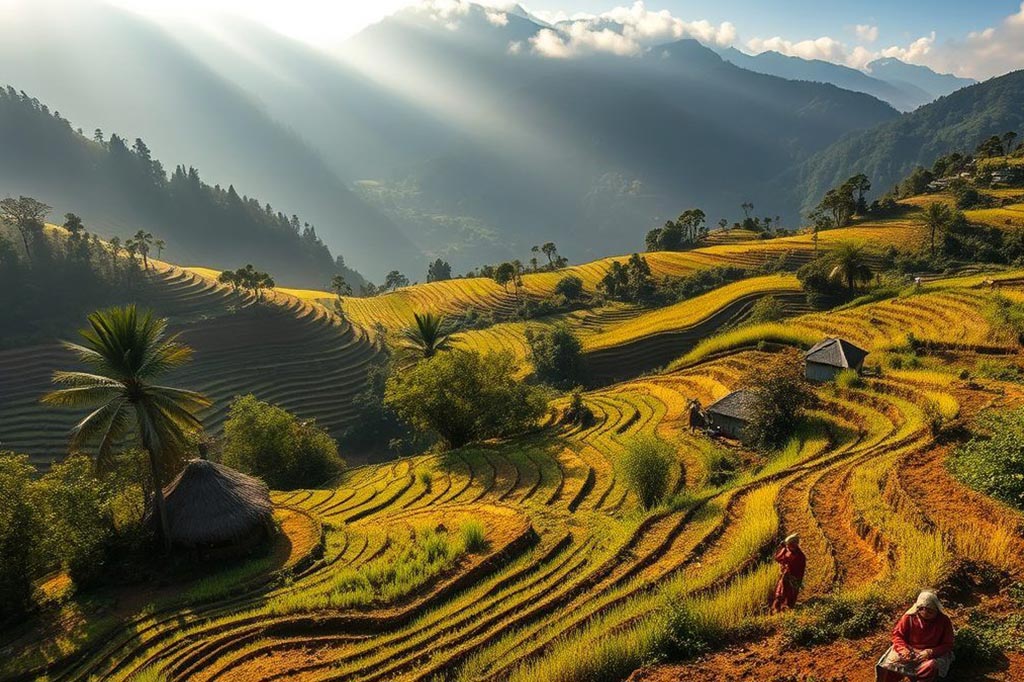
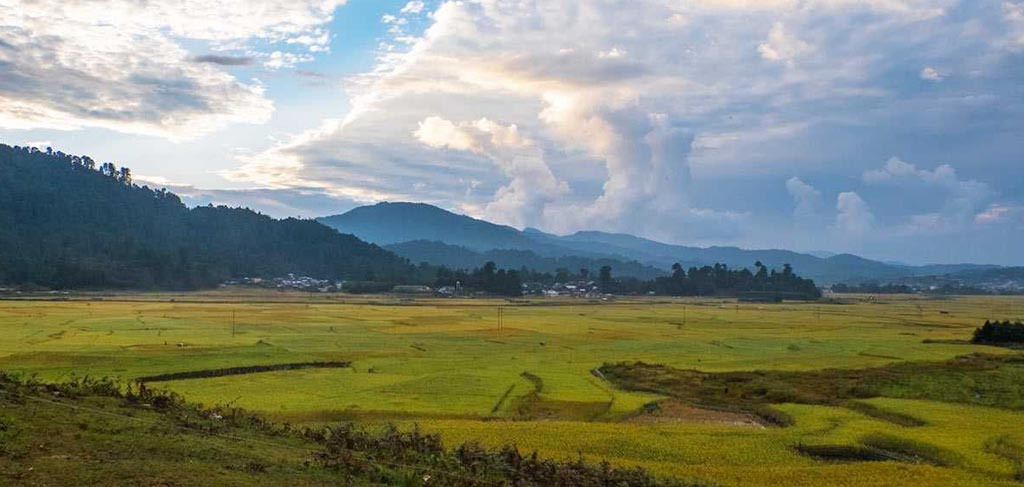
Ziro Valley, located in the Lower Subansiri district of Arunachal Pradesh, sits at around 1,700 metres above sea level. Surrounded by pine-covered hills, green paddy fields, and traditional villages, the valley offers a distinctive combination of Himalayan landscapes and Apatani cultural heritage.
One of Ziro’s most notable features is the traditional agricultural system developed by the Apatani people. Their wet-rice cultivation and fish-farming practices are closely connected with the landscape and have contributed to Ziro’s inclusion on UNESCO’s Tentative List of World Heritage Sites.
The valley is also one of the better-known destinations in Arunachal Pradesh, partly because of the Ziro Festival of Music, which attracts visitors interested in music as well as the region’s natural and cultural surroundings.
🗺️ Quick Travel Snapshot
- Location: Ziro Valley, Lower Subansiri district, Arunachal Pradesh, India
- Main attractions: Apatani villages, paddy fields, pine forests, local culture, traditional agriculture, and the Ziro Festival of Music
- Permit: The required permit depends on nationality and current Arunachal Pradesh regulations. Travelers should verify the latest requirements before departure.
- Ideal duration: Around 3–5 days
- Best time: March–June for greener landscapes, while late September can be considered for the Ziro Festival of Music. Festival dates should be confirmed officially each year.
The Permit
Like the rest of Arunachal Pradesh, Ziro requires an Inner Line Permit for Indian citizens from other states, applied for online through the state’s official ILP portal with a photo ID and recent photograph — processing usually takes 1–2 working days. Foreign nationals cannot get an ILP; entry instead requires a Protected Area Permit arranged through a registered travel agency, typically as part of a group of two or more. If you’re planning around the Ziro Festival specifically, apply well ahead — permit offices see a spike in applications during festival season.
How to Reach Ziro Valley
Guwahati (Assam) is the main gateway airport, with the widest choice of flights from the rest of India.
[Insert Flight Booking Link]
From Guwahati it’s a road journey via Itanagar (the state capital) to Ziro — most travelers break this into stages rather than driving it in one go, especially outside the festival period when shared vehicles and sumos run less frequently. Naharlagun, near Itanagar, also has a rail link from Assam if you’d rather avoid part of the road journey, and Hollongi Airport near Itanagar has scheduled flights that can cut the drive down significantly.
What There Is to See
The valley itself — paddy fields worked using the Apatani wet-rice-cum-fish system, bamboo pine forests, and villages of traditional bamboo houses — is the main draw, best seen on foot or by bicycle rather than from a vehicle. Hong, Hari, and Bamin-Michi are among the main Apatani villages open to visitors; walking through them respectfully (and asking before photographing people, especially older residents — some Apatani women still bear traditional facial tattoos and nose plugs from a practice that’s now discontinued) is the best way to see daily life here. Talley Valley Wildlife Sanctuary, a short trip from the main valley, is worth it for keener hikers and birdwatchers. If your dates line up, the Ziro Festival of Music in late September draws an international lineup to outdoor stages set among the pine forest — accommodation books out well in advance for it.
Where to Stay
Homestays inside or near Apatani villages are the most recommended option — they’re a direct way to support the local economy and usually come with home-cooked meals and genuine conversation you won’t get from a hotel. A handful of guesthouses and small hotels also operate around the main towns of Hapoli and Ziro.
Homestays:
[Insert Homestay Booking Link]
Hotels and guesthouses:
[Insert Hotel Booking Link]
| Category | Typical Cost |
|---|---|
| Stay (per night) | ₹800–₹6,000 |
| Food (per day) | ₹200–₹800 |
| Local transport | ₹1,000–₹4,000 |
| ILP (Indian citizens, short-term) | ~₹100–₹200 |
Practical Tips and Mistakes to Avoid
- Book well ahead for festival season. Rooms in Ziro sell out weeks in advance of the Ziro Festival of Music — don’t expect to arrange something on arrival that week.
- Don’t over-plan. Ziro rewards unstructured time in the villages and fields more than a tight sightseeing itinerary.
- Ask before photographing people — especially in the Apatani villages, where some older residents may not want their photo taken.
- Expect limited connectivity outside the main towns — mobile signal thins out quickly once you’re among the villages and fields.
- Pack layers. Mornings and evenings are cold even in the warmer months, given the altitude.
FAQ
When is the Ziro Festival of Music?
It’s typically held over four days in late September, but exact dates vary year to year — check the festival’s official announcements before booking travel and accommodation.
Do I need a permit to visit Ziro Valley?
Yes. Indian citizens need an Inner Line Permit, applied for online in advance. Foreign travelers need a Protected Area Permit arranged through a registered agency, typically as part of a group.
Is Ziro Valley worth visiting outside festival season?
Yes — many travelers prefer it that way. March to June brings the greenest paddy fields and far fewer crowds than festival week, with easier access to homestays and guides.
More Northeast India Guides
Two more remote valleys in Arunachal Pradesh, also requiring an ILP: Mechuka Valley, near the Tibet border, and Tawang, further north near Bhutan. For a lower-altitude, permit-free alternative in neighboring Assam, see Majuli Island.
🧭 More Remote India Guides
If Ziro’s slow pace of life appealed to you, these other remote corners of India are worth exploring too:
- Majuli Island, Assam
- Mechuka Valley, Arunachal Pradesh
- Tawang, Arunachal Pradesh
- Socotra Island, Yemen
— Ava